We won Display of the Year. Here's what we saw at SID Display Week 2026.

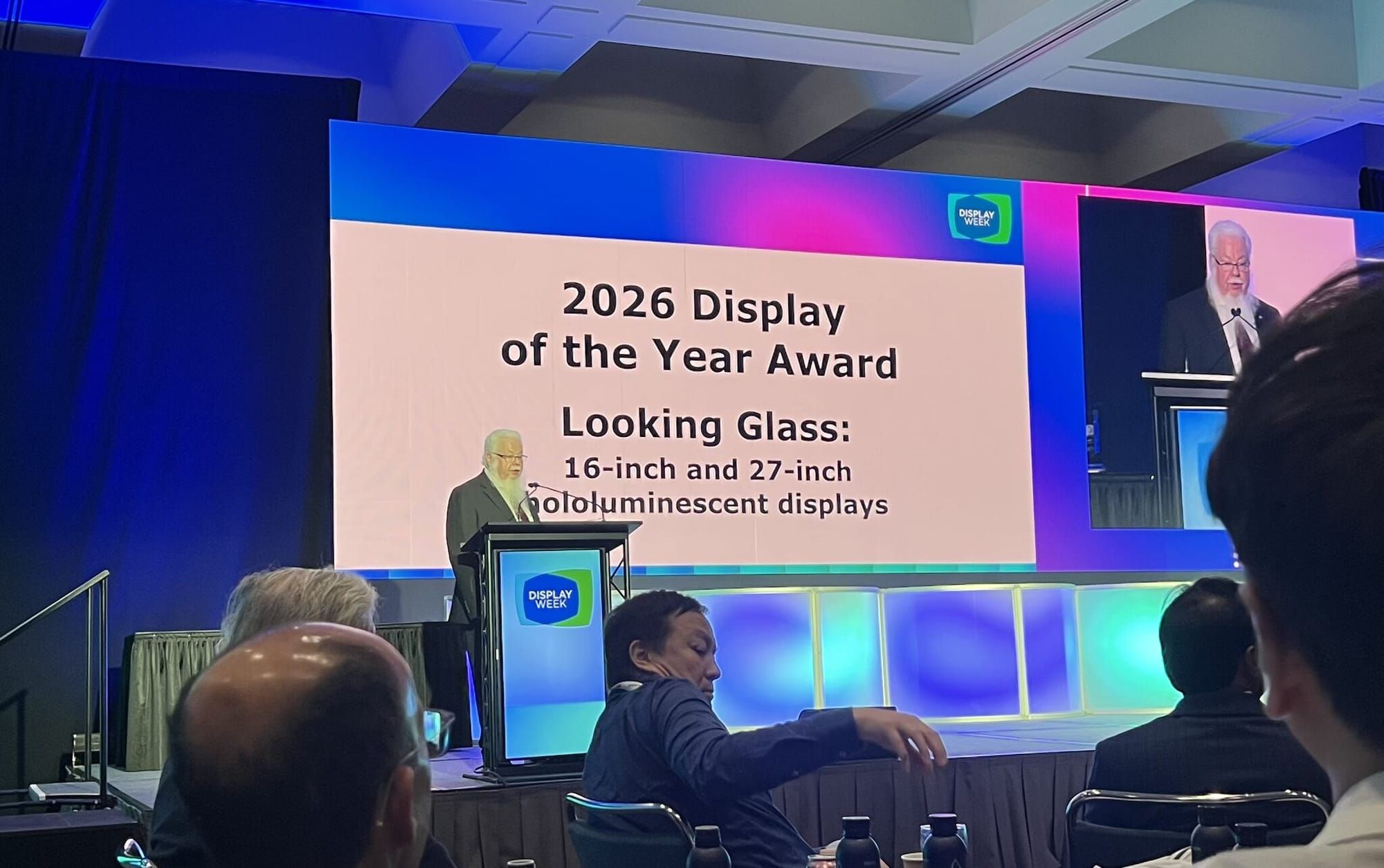
Last week, the display industry gathered in Los Angeles for SID Display Week — the most important event in our world, where the future of display technology shows up before anywhere else. We came with our biggest demonstration yet. We left with the Display of the Year award.
But the award was only part of the story.
What Display Week told us about where displays are headed
Display Week has a way of making the direction of the industry legible all at once. This year, the signal was unmistakable: flat screens are no longer the horizon. The conversations across the floor, in the conference halls, and in the side meetings were all circling the same question:
What does the interface look like when the world around us becomes interactive?
Automotive companies were everywhere. Retail technology groups were paying close attention. AI and computer vision researchers were talking about displays in ways they never used to. The common thread was a growing recognition that as AI systems become more capable and more present in our physical environments, the displays they live on need to catch up.
Traditional flat screens and menu-driven interfaces increasingly feel mismatched to the kind of interaction people want with intelligent systems. The industry is searching for something more physical, more intuitive, more human.
That shift is exactly what we've been building toward at Looking Glass in the last decade.
Display of the Year: HLD recognized as a breakthrough architecture
Looking Glass received the SID 2026 Display of the Year award for Hololuminescent Display technology.
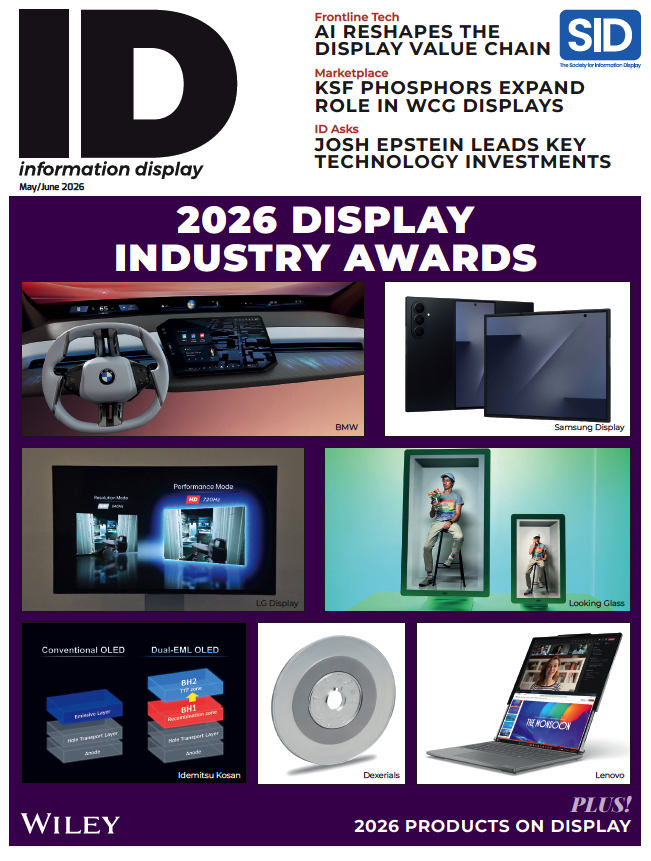
The award recognized HLD as a fundamentally different approach to holographic and spatial display — one that delivers genuine depth and group-viewable 3D without the trade-offs that have held back every prior generation of the technology.
No glasses. No headsets. No eye tracking. No compromise on resolution. And critically: compatible with standard display manufacturing, which means it can actually ship.
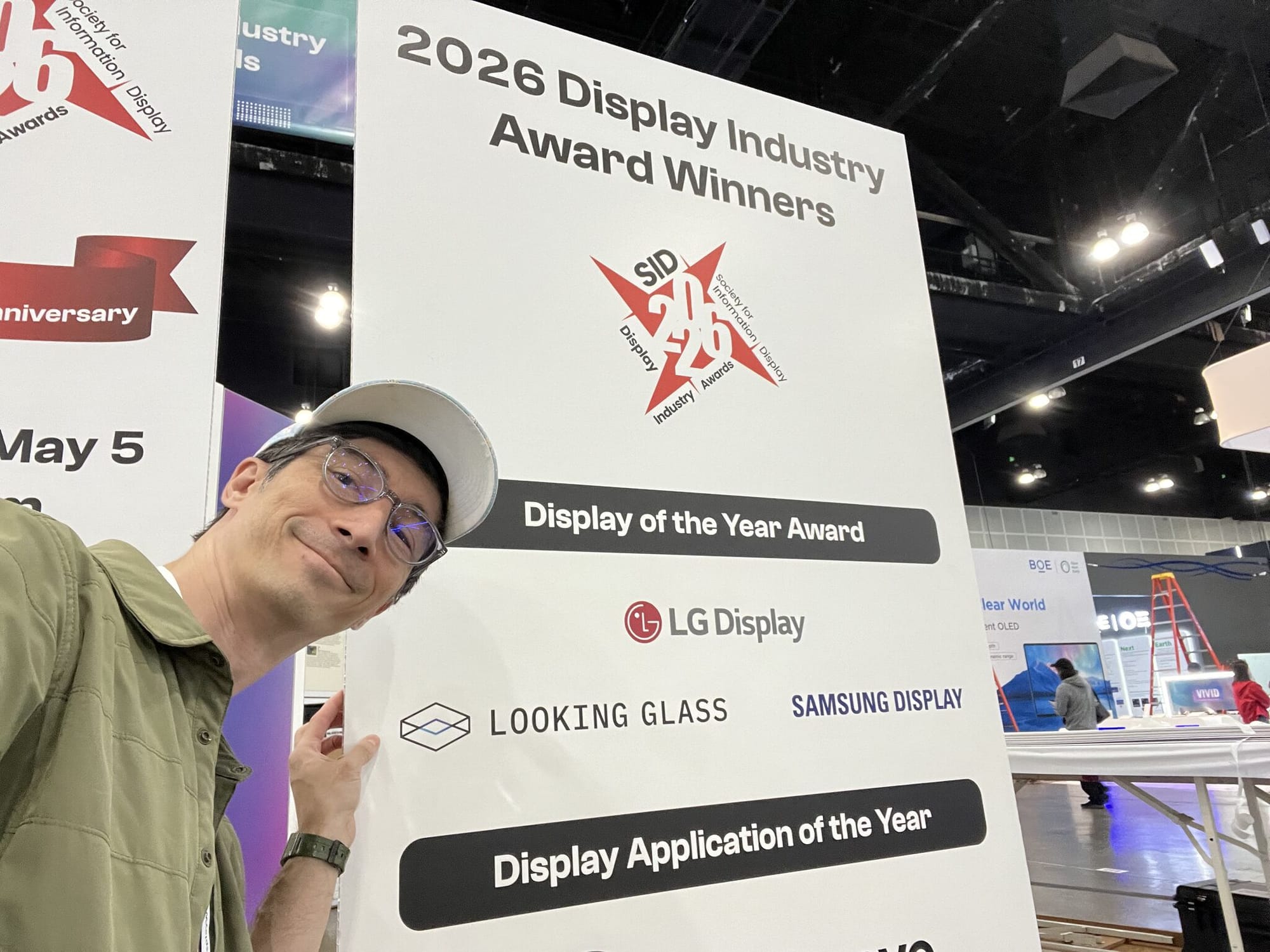
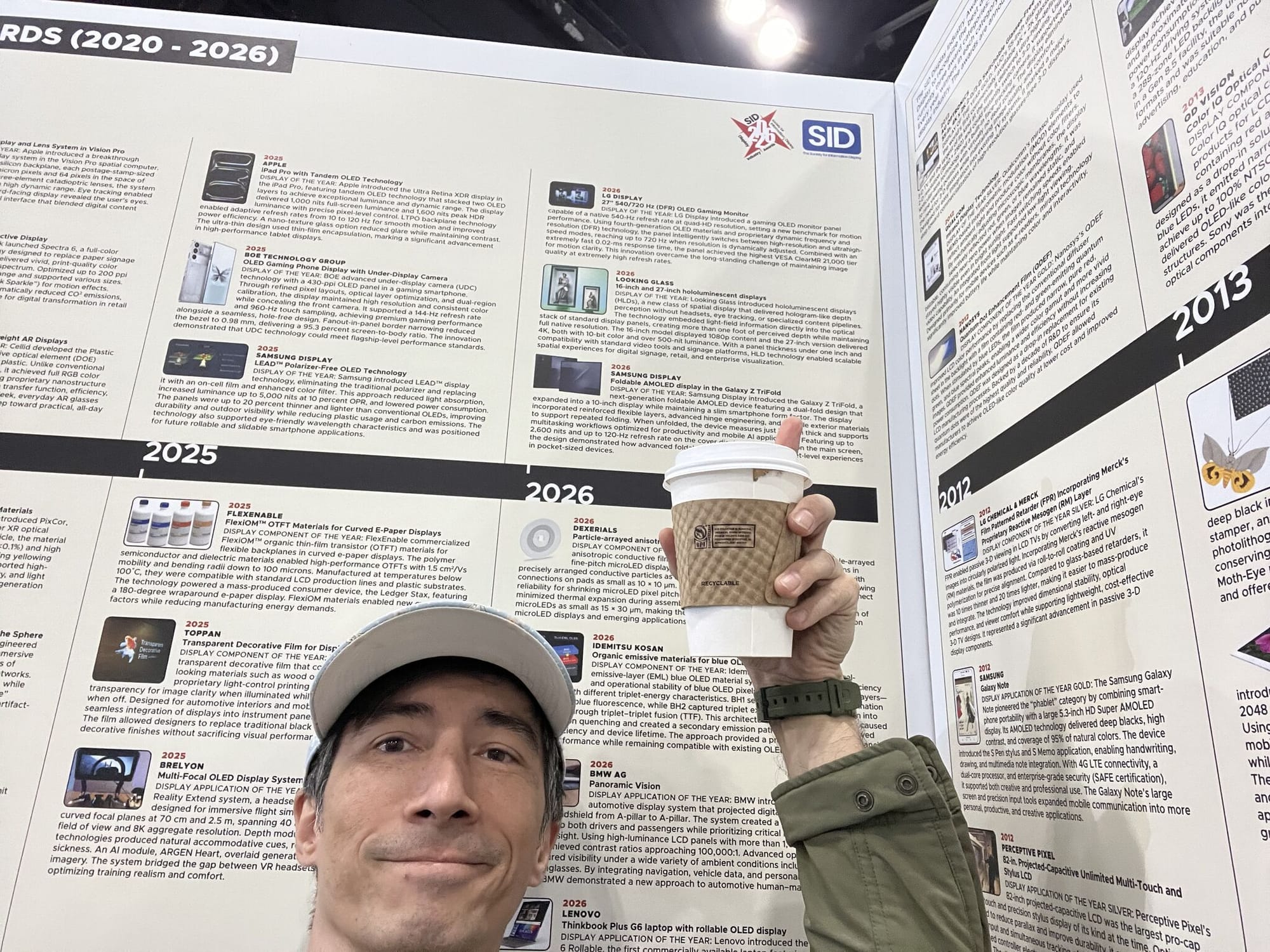
That last point came up repeatedly in conversations throughout the week. A lot of technologies at Display Week are impressive research. HLD is a commercially deployable system, and people noticed the difference.
The 86-Inch show stopper
Our booth centered on an 86-inch HLD installation that was difficult to miss anywhere in the exhibition hall. At that scale, the depth and visual presence of the display becomes difficult to rationalize as "just a screen." It reads as something else entirely — something closer to a physical object than a surface.
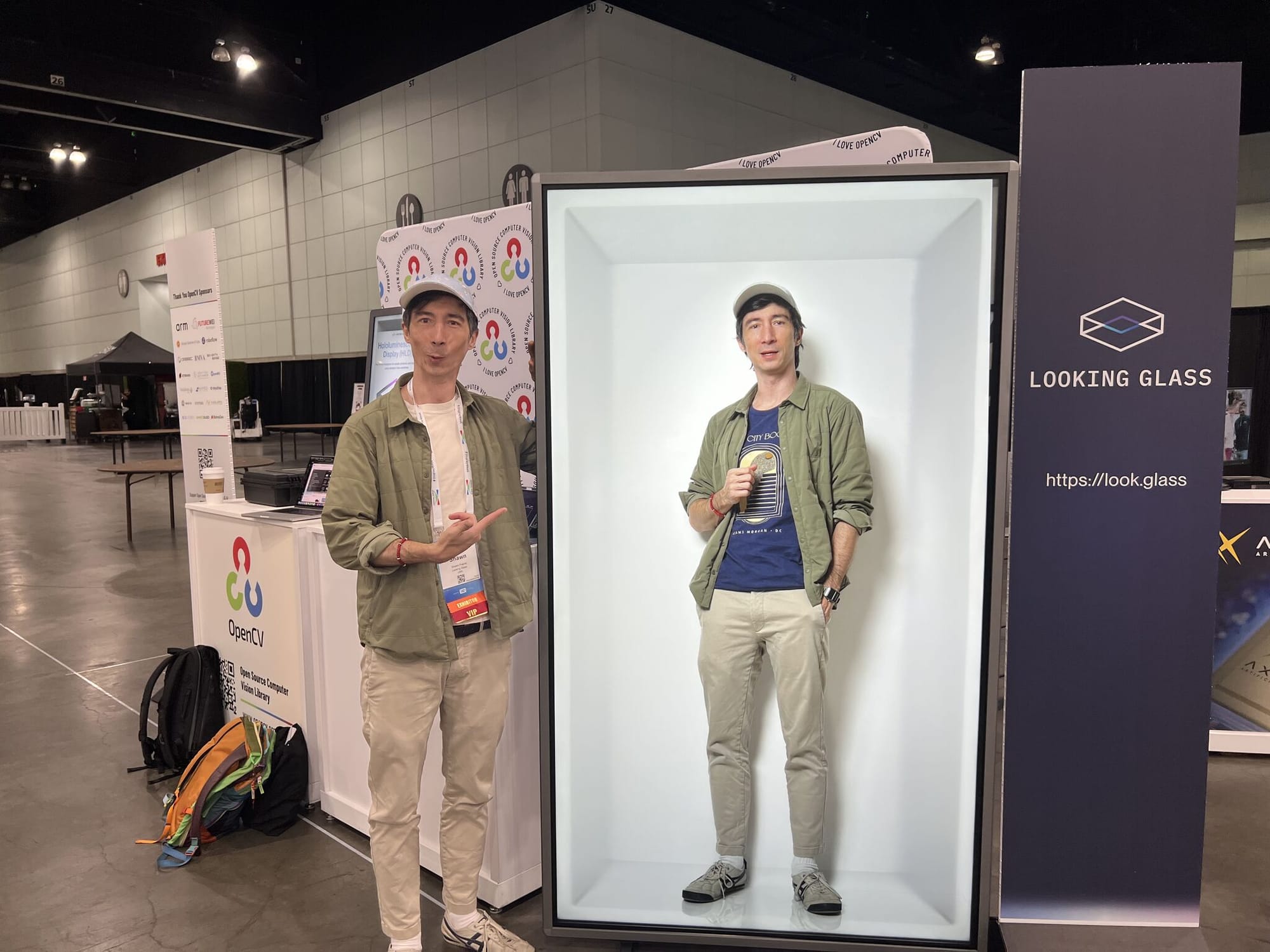
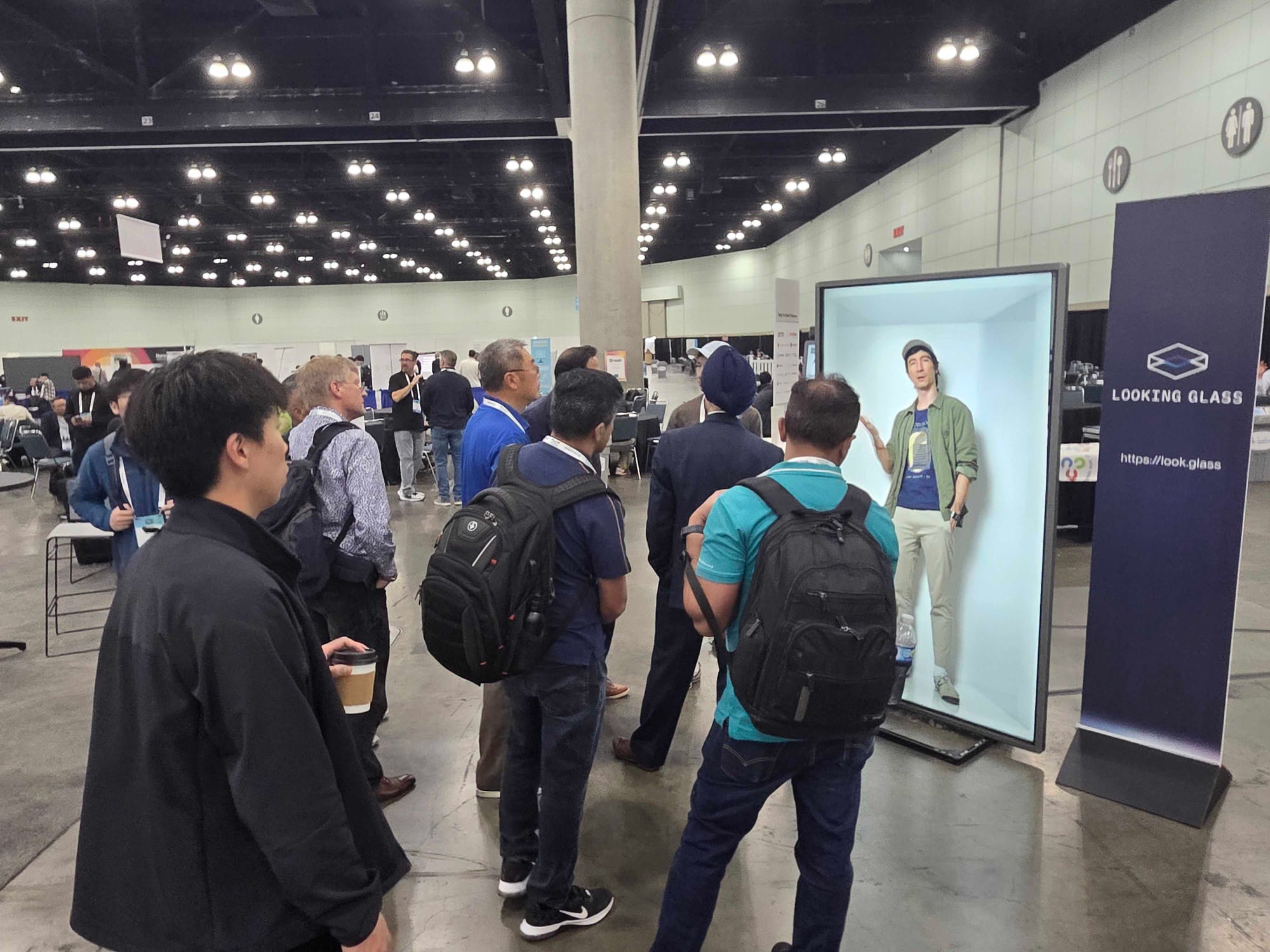
Which one is the real Shawn?
It consistently drew crowds and anchored some of the best conversations we had all week about what spatial display means in practice, at real world scale, in real environments.
The ultimate shoe stopper
One of the demonstrations that generated the most immediate reaction was an interactive footwear experience — a real time showcase where attendees could select, swap, and inspect products at larger-than-life scale using multi-gesture touch, no onboarding, no special hardware.
 Mike King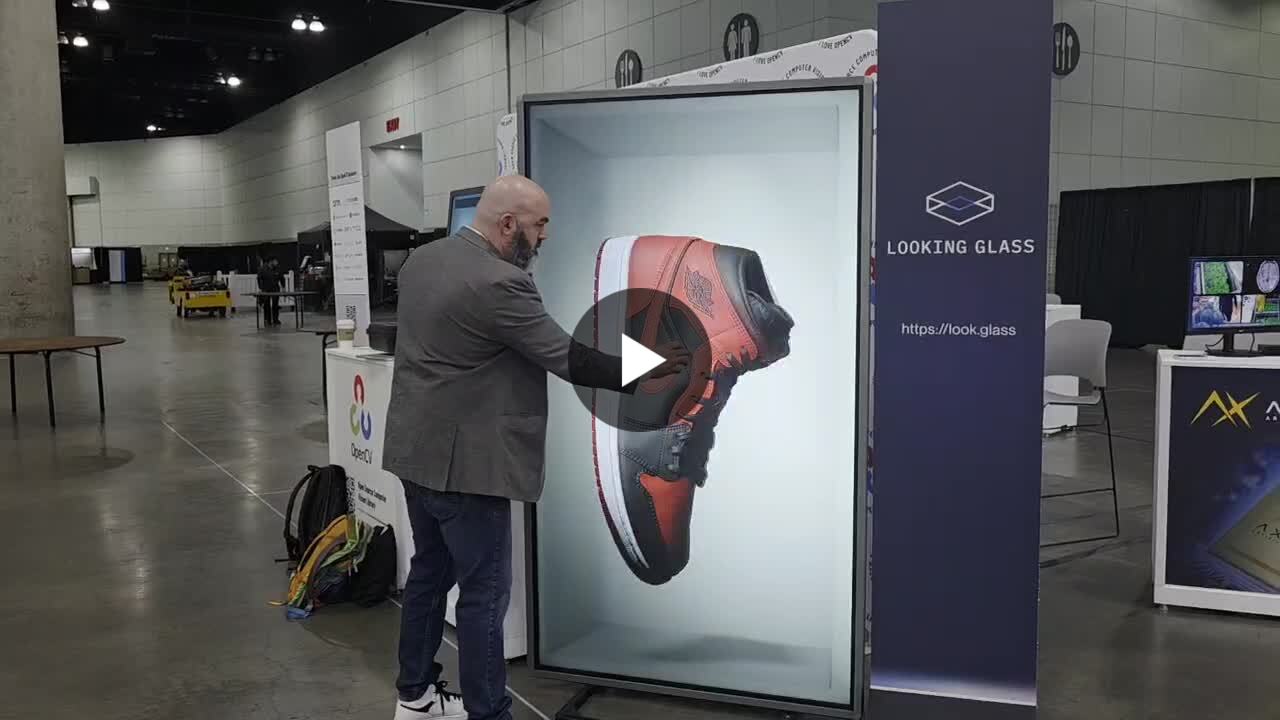
The reaction wasn't just "that looks cool." It was "I can see exactly where this goes." Retail, digital signage, product configuration, automotive visualization, luxury goods, experiential marketing, people were connecting the dots themselves, which is usually the best sign that something is ready. Technologies that require explanation before they feel useful don't win the show floors. Thankfully, the HLD didn't require such explanation.
AI, computer vision, and the future of human interfaces
We also partnered with OpenCV during the week around their SID Conference focused on the intersection of AI, computer vision, and next-generation display. Our team participated in a featured talk and a panel alongside experts in computer vision, robotics, and immersive computing.
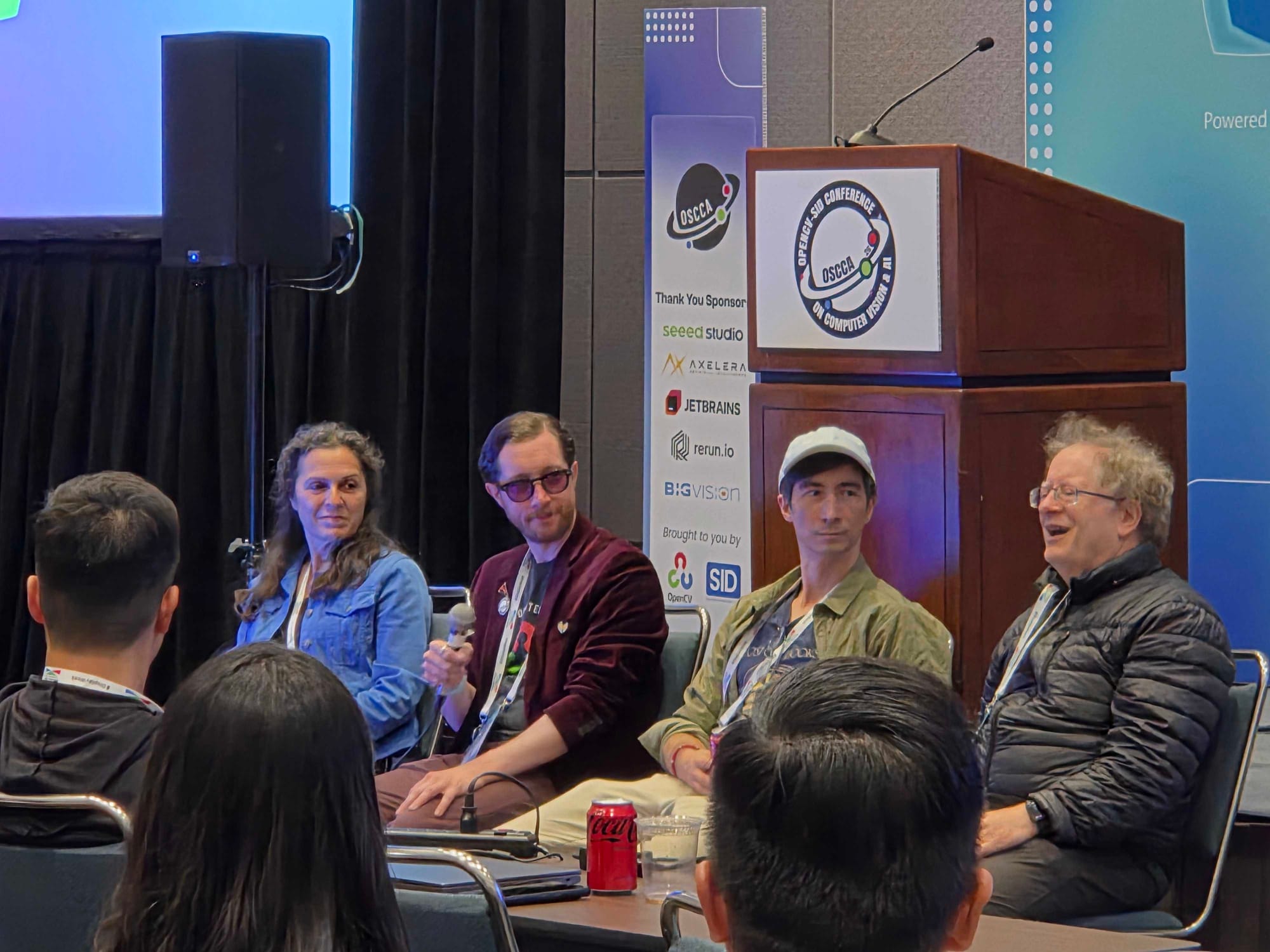
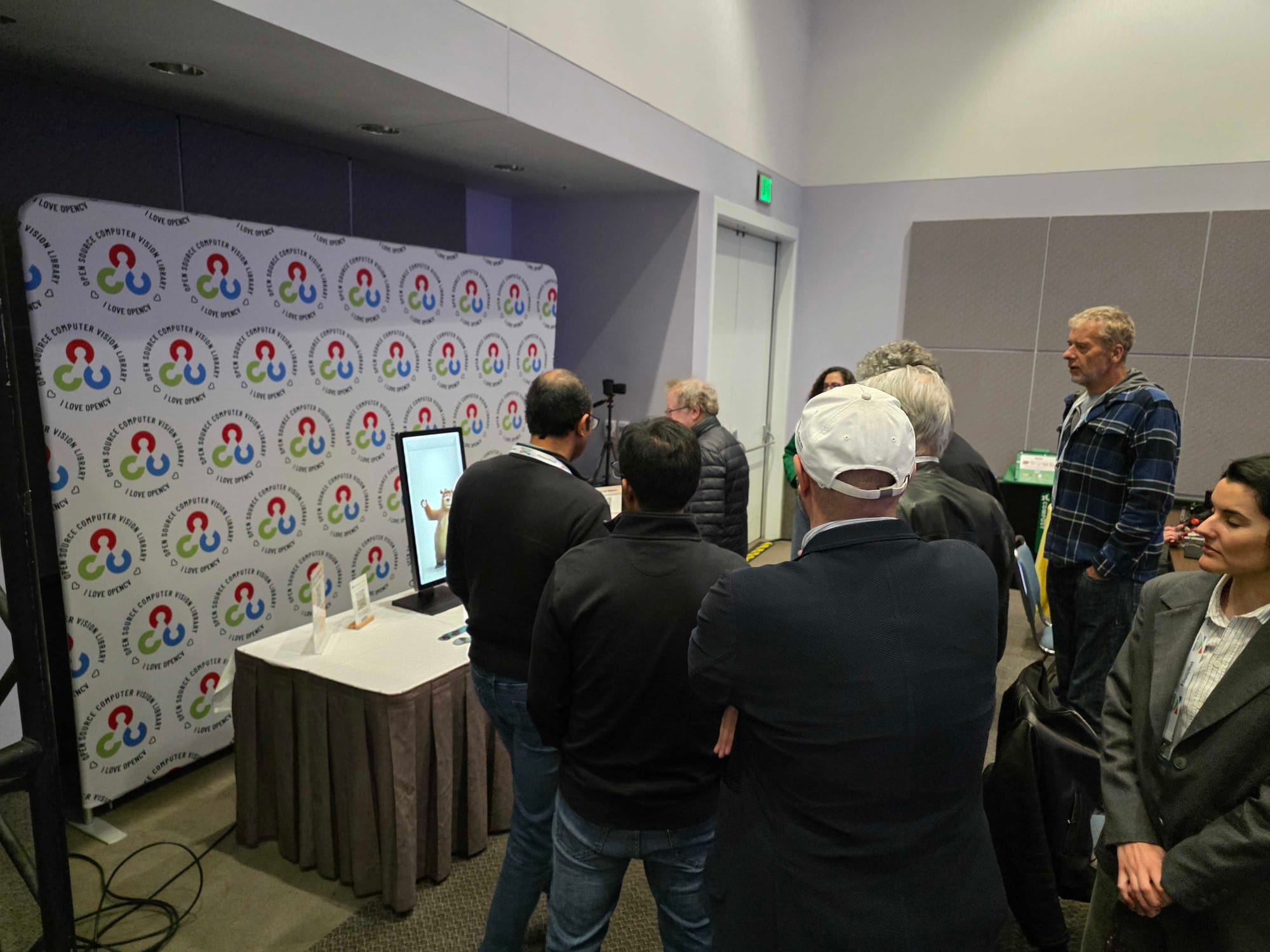
The conversation that kept recurring: as AI systems become more spatially aware and more embodied, displays are evolving from passive windows into active environments. The interface layer between intelligent systems and the humans working alongside them needs to become more physical, more expressive, and more capable of conveying depth, presence, and spatial relationships.
HLD is built for exactly that future.
The clearest signal from Display Week 2026
The strongest takeaway from the show wasn't any single product or announcement. It was a collective recognition that the industry is past debating whether spatial and immersive experiences are coming. It's here. The question now is mostly about who gets to build the infrastructure for that shift.
We're immensely proud of the work we've been doing at Looking Glass over the last decade to get to where we are today and the recognition among giants. And the best part is? We're shipping this technology. It's not just the kind of stuff you see at research labs, or prototypes that never get released, all of this can be bought today and deployed within a matter of months - not years.
Excited to have you all along for the ride. To the future!
If you’re designing retail experiences, digital signage networks, museums, corporate lobbies, transport hubs, or theme park environments, we’d love to talk about how the 86" HLD can fit into your next wave of projects.
To learn more or reserve a unit: Reach out to our team at sales@lookingglassfactory.com or visit our site for details on demos, deployment options, and technical requirements.